Professional Leak Detection: Shield Your Home From Concealed Water Damage
Reliable leak detection is fundamentally important in preserving the structural soundness of a home. Hidden water damage can result in significant repair costs and health hazards. Homeowners often overlook early signs, such as unexplained stains or musty odors. Through recognizing these warning signs and utilizing modern detection techniques, homeowners can safeguard their homes. Yet, a large number of homeowners are still uninformed about the best methods and resources at their disposal. What measures should homeowners adopt to ensure their property remains protected from these hidden dangers?
Reasons to Make Leak Detection a Priority
Why should homeowners prioritize leak detection? It is essential for homeowners to understand that undetected leaks can lead to serious structural damage and expensive repairs. The infiltration of water can undermine the stability of walls, foundations, and electrical systems, creating dangerous living environments. Furthermore, extended exposure to moisture can promote mold development, presenting serious health hazards to residents.
Prioritizing proactive leak detection protects the home while also increasing property value. By identifying leaks early on, homeowners can mitigate potential damage, thereby avoiding the financial burden associated with extensive repairs. Regular inspections and advanced detection technologies can uncover hidden issues that may otherwise go unnoticed. Ultimately, prioritizing leak detection guarantees the longevity of the home and contributes to a safer, healthier living environment. By being vigilant, homeowners can protect their investment and maintain peace of mind.
Common Signs of Water Leaks You Should Detect
Even though water leaks can start out small, the warning signs can become more apparent when left unaddressed. Residents should remain alert to several frequent warning signs of water leaks. An obvious warning sign involves the appearance of water stains on walls or ceilings, which may appear yellowish or brown. Furthermore, wet or discolored spots on flooring may indicate moisture issues below the surface.
A further indicator is the sound of dripping or running water when every fixture has been shut off. A sharp rise in the water bill, lacking an apparent cause, can also signal concealed leaks. The growth of mold or mildew in areas like bathrooms or basements is another critical sign of chronic moisture concerns. Finally, buckling or warped floors may point to excessive moisture exposure. By detecting these indicators in a timely manner, homeowners are able to take preventive steps to avoid extensive damage and expensive repairs.
Leading Methods for Effective Leak Detection
Identifying water leaks quickly is essential for maintaining a home's integrity and preventing extensive damage. Various methods are available for effective leak detection, catering to different situations and preferences. Visual inspections often serve as the first line of defense; homeowners can check for obvious signs like water stains or mold growth. Thermal imaging technology is yet another approach that applies infrared detection to identify temperature variations, exposing unseen leaks beneath wall or ceiling surfaces.
Acoustic leak detection employs sound waves to pinpoint leaks, making it especially effective for hidden or underground pipes. Pressure testing entails observing the pressure levels in plumbing systems to recognize anomalies that suggest potential leaks. Furthermore, moisture meters can measure dampness in materials, providing quantitative data on possible leak sources. Each of these techniques provides distinct benefits, allowing homeowners to select the most appropriate method for their particular needs and ensuring proactive measures against water damage.
Finding the Most Effective Leak Detection Tools for Your Home
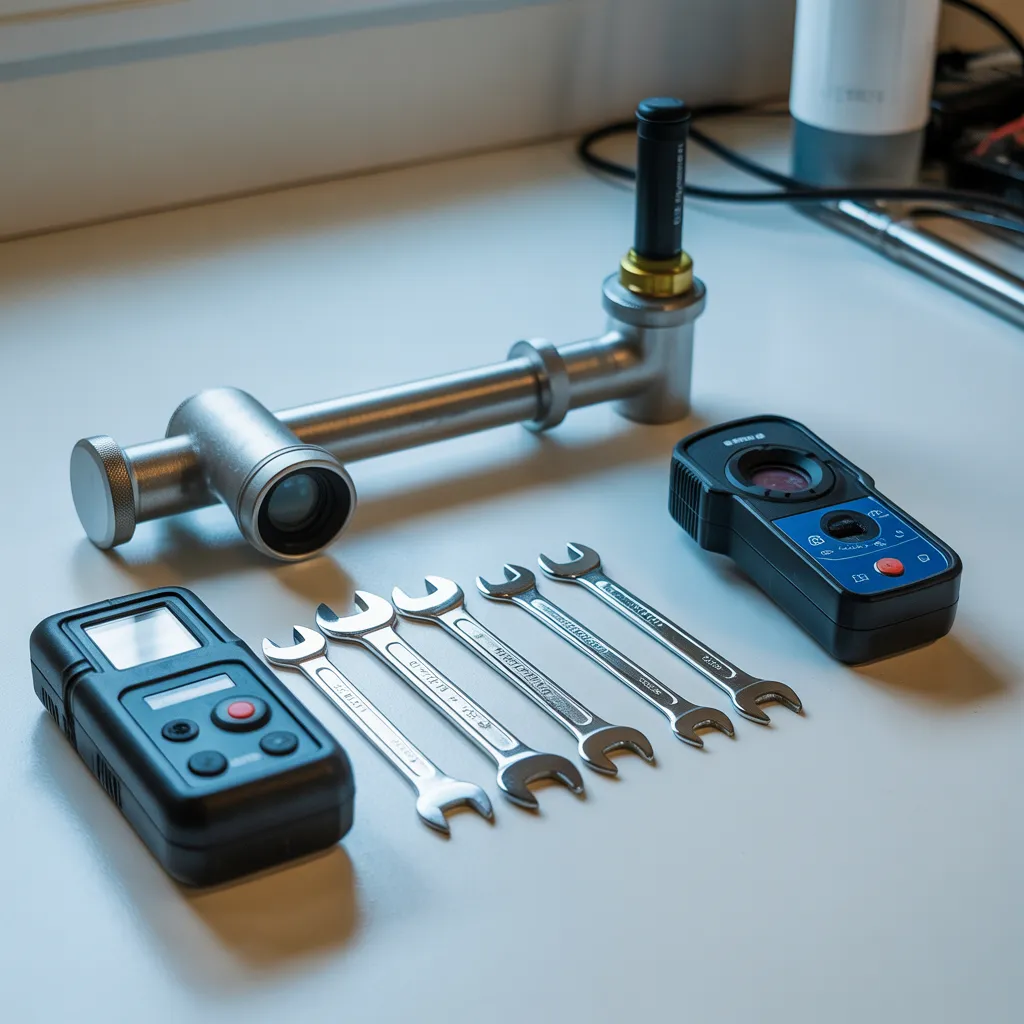
How do homeowners make certain they possess the correct equipment for successful leak detection? Selecting appropriate tools is essential for identifying hidden leaks before they cause significant damage. Important equipment includes moisture meters, which measure the humidity level in walls and floors, helping to pinpoint damp areas. Infrared imaging devices are highly beneficial, as they reveal temperature fluctuations, pointing to potential leaks hidden behind walls.
Additionally, sound-based leak detection devices can identify the sound of water escaping from pipe systems. For those who prefer manual methods, standard dye assessments are effective for detecting toilet water leaks. Homeowners should also consider installing automated leak detection solutions that deliver real-time alerts through digital apps. In the end, understanding the unique demands of their home and the various potential plumbing problems will assist residents in choosing the most effective leak detection tools, making sure they are ready to protect against water damage.
Implementing Preventative Measures Against Water Damage
Installing water-resistant materials in basements, kitchens, and bathrooms can significantly lower the risk of damage. Homeowners should also think about installing moisture detectors, which can provide early warnings of leaks. Strategic landscaping, including grading the ground away from the home, can help channel water away from the foundation. Ultimately, maintaining indoor humidity levels can prevent mold growth, which is often a consequence of undetected water issues. By implementing these preventive measures, homeowners can significantly lower the chances of expensive water damage.
When Should You Hire a Professional for Leak Detection?
When is it essential to seek professional assistance for leak detection? Residents should think about contacting a specialist when they detect ongoing moisture spots, sudden and unexplained rises in their water bills, or an enduring musty scent that does not go away despite regular cleaning attempts. Additionally, if water stains appear on ceilings or walls, it might suggest an underlying leak that necessitates advanced diagnostic instruments. Expert technicians are equipped with the knowledge and technology, such as thermal imaging cameras and moisture meters, to precisely determine the source of the problem.
Furthermore, if a homeowner has attempted DIY solutions without success, it is prudent to consult an expert to minimize the risk of worsening conditions. Houses equipped with older pipe systems or that have seen recent renovation activity present an increased probability of developing water leaks, making professional evaluation advisable. When all is considered, prompt action taken by a qualified leak detection expert can save homeowners from extensive repairs and costly water damage in the long run.
Questions We Often Receive
How Regularly Should I Look for Leaks in My House?
Residents should inspect for leaks a minimum of two times per year, particularly around seasonal shifts. Periodic evaluations assist in detecting problems before see here they worsen, reducing the risk of extensive damage and costly repairs linked to concealed water leaks across the home.
Is It Possible for Appliances Such as Dishwashers or Refrigerators to Develop Leaks?
Indeed, leaks may develop in appliances such as dishwashers and refrigerators. Over time, seals might degrade or hoses may sustain damage, leading to potential water damage if not regularly inspected and maintained.
What Long-Term Damage Can Undetected Water Leaks Cause?
Unnoticed water leaks may result in severe structural damage, the growth of mold, increased utility bills, and health issues. Over time, these problems may escalate, causing costly repair work and a potential decrease in property value.
Do Certain Seasons Make Leaks More Likely to Occur?
Pipe leaks are more common during winter, because dropping temperatures lead to pipes bursting, and throughout the spring season, when melting snow and heavy rainfall can overwhelm drainage systems. Understanding these seasonal trends helps in taking preventive action.
How Do I Know if My Water Meter Is Showing a Leak?
To check whether a water meter is showing a leak, one should check the meter reading before and after a period of no water usage. A difference in the reading points to a likely leak somewhere in the system.